

We're a nonprofit affordable housing and community development organization based in Seattle’s Chinatown/International District (CID).
Since 1969 InterIm CDA (ICDA) provides multilingual, culturally competent housing and community building services to those disenfranchised due to lack of English, low acculturation and poverty. Though historically ICDA’s focus was on the API community living in the CID, we currently serve about 5000 unduplicated low-income limited English speaking individuals from Asia, Africa and America throughout the greater Puget Sound.
Latest News
Our Programs
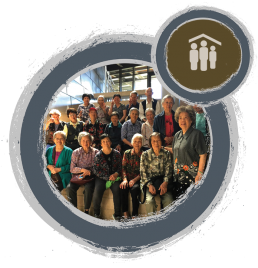
Housing Services
We assisted approximately 4,000 people with housing counseling services. Our multilingual staff (15 languages) provide holistic individualized case management services to our clients in the languages they speak. While we serve everyone, we fill a crucial gap for immigrant and refugee seniors, survivors of DV and those who are chronically homeless who may not access services if caseworkers did not speak their language.
Real Estate Development
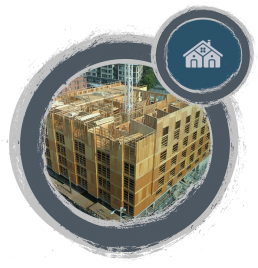
ICDA provides safe, affordable, healthy, homes for about 1,000 low income individuals and families in our five buildings in Seattle. All of our housing projects are wrapped into a larger community development strategy to strengthen the neighborhood fabric.
Equitable Development Policy Advocacy
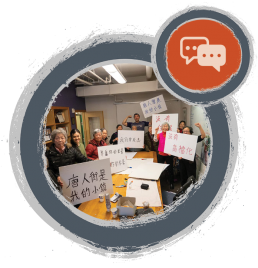
We work with our community to advocate for policy change. We provide voter registration and voter education. We organize around issues of displacement, affordable housing, and other important issues that affect our community. We also develop strategic partnerships with other community organizations to effectively shape local and regional initiatives.
Danny Woo Community Garden
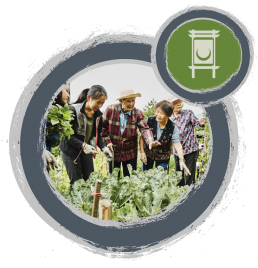
The Garden provides a space for 70 low-income seniors to grow foods from their homelands. Our Garden is the only space in the CID where around 200 low-income children can touch a chicken, plant a radish, and learn environmental stewardship. Our Garden creates spaces for community as elders share their knowledge with each other and the youth.
Wilderness Inner-City Leadership Development (WILD)
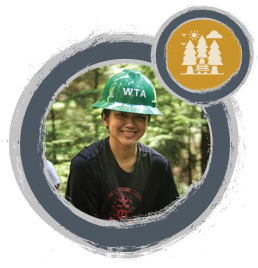
Our award winning youth leadership program engages over 100 low-income refugee and immigrant youth in year-round programming. WILD youth lead neighborhood projects with a focus on environmental justice, intergenerational learning and civic engagement. WILD youth distributed HEPA filters to 100 elders for relief from the bad air that plagues the CID.
Sustainable Communities
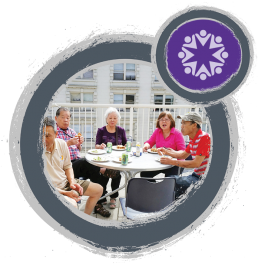
Set for Success is the only program in the CID that provides health education, wellness, and financial literacy, ESL, and civic engagement to low income ELL residents in the languages that they speak and in the buildings where they live. Approximately 600 duplicated residents participate in the innovative approach to transforming their and their children’s lives.
Events
No Events were found.